Destination

icons
Duration
10 days 9 nights
icons
Tour Type
Cultural Tours
icons
Group Size
16
icons
Tour Guide
01
Hunza, Northern Pakistan

Across the Roof of the World 10 Days on the Silk Route Trip

Karakoram Highway & Old Silk Route

The Karakoram Highway (KKH), often called the Eighth Wonder of the World, is one of the highest paved international roads, linking Pakistan with China through the Khunjerab Pass at 4,693 meters. Built jointly by Pakistan and China between 1959–1979, it traverses the mighty Karakoram Range, offering breathtaking views of glaciers, peaks, and valleys. It is both an engineering marvel and a symbol of Pak-China friendship.

On the Pakistan side of the ancient Silk Route, the KKH follows the historic trading paths once used by merchants, pilgrims, and explorers. This route connected South Asia with Central Asia and China, facilitating the exchange of goods like silk, spices, and precious stones, as well as cultural and religious ideas. Towns such as Hunza, Gilgit, and Skardu were vital waypoints, and today they remain gateways to adventure tourism and cultural exploration.

Some of Key Highlights are as under:-

  • Engineering Feat: Built through some of the world’s toughest terrain.
  • Cultural Corridor: Echoes of the Silk Route’s history of trade and cultural exchange.
  • Tourism Appeal: Access to Hunza Valley, Gilgit-Baltistan, glaciers, and towering peaks like Nanga Parbat and Rakaposhi.
  • Strategic Importance: Strengthens Pakistan-China connectivity and regional trade.

It’s not just a road—it’s a living museum of history, culture, and natural beauty, where the modern Karakoram Highway overlays the footprints of the ancient Silk Route.

Hunza – The Land of Legends

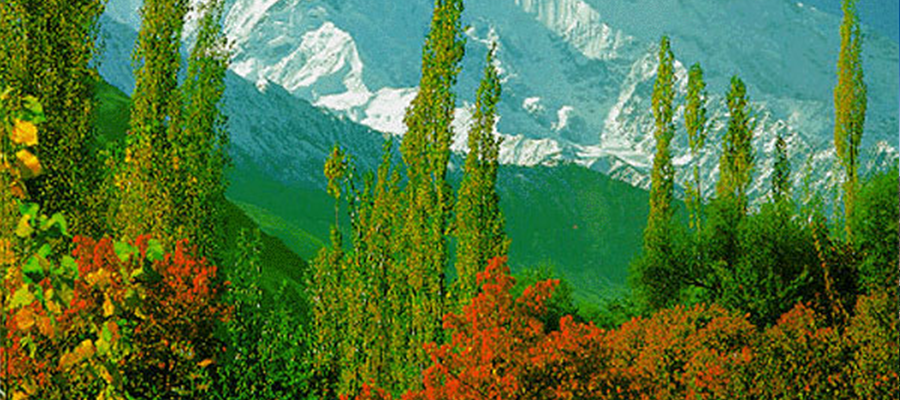
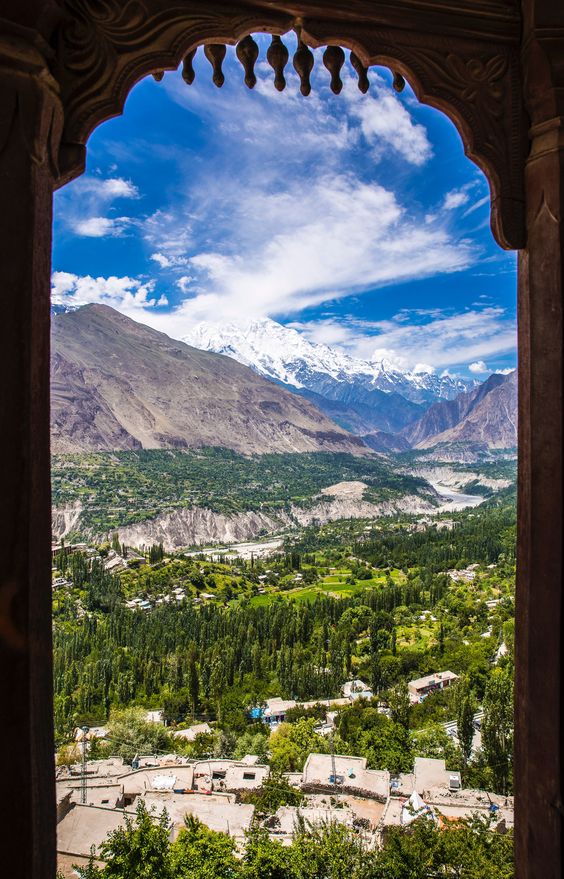
Hunza, located in the Gilgit-Baltistan region of northern Pakistan, is a valley that feels like a storybook come to life. Surrounded by the towering peaks of the Karakoram Range, including the majestic Rakaposhi (7,788 m) and Ultar Sar (7,388 m), Hunza has long been celebrated as a paradise for travelers, historians, and nature lovers alike.

 Natural Beauty

  • Panoramic Peaks: Rakaposhi, Ultar Sar, Ladyfinger Peak, and the iconic Passu Cones dominate the skyline.
  • Attabad Lake: A turquoise lake formed in 2010, now a hub for boating and scenic lodges.
  • Eagle’s Nest Viewpoint: Offers breathtaking sunrise and sunset views over the valley.
  • Blossom Season: In spring, apricot and cherry blossoms transform Hunza into a pink-and-white wonderland.

 Historical & Cultural Heritage

  • Baltit Fort: A 700-year-old fort in Karimabad, once the seat of Hunza’s rulers, restored to showcase Tibetan-inspired architecture.
  • Altit Fort: Even older than Baltit, perched dramatically above the Hunza River, offering insight into Hunza’s medieval past.
  • Silk Route Legacy: Hunza lay along the ancient Silk Route, making it a crossroads of trade, culture, and ideas.

 People & Culture

  • Warm Hospitality: The Hunzakuts are renowned for their friendliness and longevity, often attributed to their simple lifestyle and organic diet.
  • Music & Folklore: Rich traditions of storytelling, dance, and music echo the valley’s legendary past.
  • Cuisine: Apricot-based dishes, walnut breads, and traditional Hunza tea reflect the valley’s agrarian roots.

Why Hunza is Legendary

Hunza is often called the “Shangri-La of Pakistan” because of its mythical aura, pristine landscapes, and tales of a people living in harmony with nature. It is a place where history, legend, and natural grandeur converge, offering travelers not just sights, but experiences that feel timeless.
Gilgit / Hunza / Karakoram Highway
Included
  • 9 Nights Hotels on double sharing
  • Specilaized Bilingual Guide
  • Private Transport
  • Entrance Fee
  • B/fast & Dinners
  • Bottled Water
Excluded
  • Additional Services in Hotel
  • Insurance
  • Drinks
  • Ait Tickets
  • Chair Left / Zip line / baoting Tickets
Transportation Travel by Bus/Mini Coach
Best Time to Visit March to November

Details

Karakoram Highway & Silk Route (Pakistan Side)

The Karakoram Highway (KKH), often called the Eighth Wonder of the World, is one of the highest paved international roads, linking Pakistan with China through the Khunjerab Pass at 4,693 meters. Built jointly by Pakistan and China between 1959–1979, it traverses the mighty Karakoram Range, offering breathtaking views of glaciers, peaks, and valleys. It is both an engineering marvel and a symbol of Pak-China friendship. On the Pakistan side of the ancient Silk Route, the KKH follows the historic trading paths once used by merchants, pilgrims, and explorers. This route connected South Asia with Central Asia and China, facilitating the exchange of goods like silk, spices, and precious stones, as well as cultural and religious ideas. Towns such as Hunza, Gilgit, and Skardu were vital waypoints, and today they remain gateways to adventure tourism and cultural exploration.

Key Highlights

  • Engineering Feat: Built through some of the world’s toughest terrain.
  • Cultural Corridor: Echoes of the Silk Route’s history of trade and cultural exchange.
  • Tourism Appeal: Access to Hunza Valley, Gilgit-Baltistan, glaciers, and towering peaks like Nanga Parbat and Rakaposhi.
  • Strategic Importance: Strengthens Pakistan-China connectivity and regional trade.
It’s not just a road—it’s a living museum of history, culture, and natural beauty, where the modern Karakoram Highway overlays the footprints of the ancient Silk Route.

Arrival in Islamabad & City Tour

  • Arrival & Hotel Transfer: Guests will be received at Islamabad International Airport. In case of an early arrival, the previous night’s hotel stay will be arranged to ensure comfort and rest. Upon arrival, transfer to the hotel for check-in and refreshment.
  • Afternoon City Tour of Islamabad: Begin exploring Pakistan’s modern capital, a city known for its tree-lined avenues, serene ambiance, and blend of tradition with modernity. Highlights of the tour may include:
    • Faisal Mosque – the largest mosque in Pakistan, an architectural marvel set against the backdrop of the Margalla Hills.
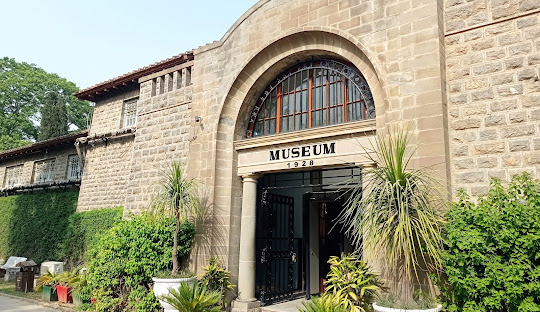
    • Lok Virsa Museum – showcasing the rich cultural heritage of Pakistan.
    • Daman-e-Koh – a viewpoint offering panoramic vistas of Islamabad.
  • Dinner at Kabul Restaurant: In the evening, enjoy a delightful dinner at the famous Kabul Restaurant in Jinnah Super Market, known for its Afghan cuisine and lively atmosphere.
  • Overnight Stay in Islamabad: Return to the hotel for an overnight stay, ensuring a restful night before the journey ahead.
  • Enjoy breakfast at the hotel.
  • Depart for the Historic Buddhist Museum in Taxila.
  • Continue the journey toward Naran, renowned as one of Pakistan’s most beautiful mountainous towns.
    • Alternative: In case of road closure to Naran, proceed via the Karakoram Highway toward Besham.
  • Arrive at destination and transfer to the hotel for overnight stay.
  • Dinner will be served at the hotel.
  • Today’s journey takes you along the legendary Karakoram Highway, often described as one of the most spectacular road trips in the world.
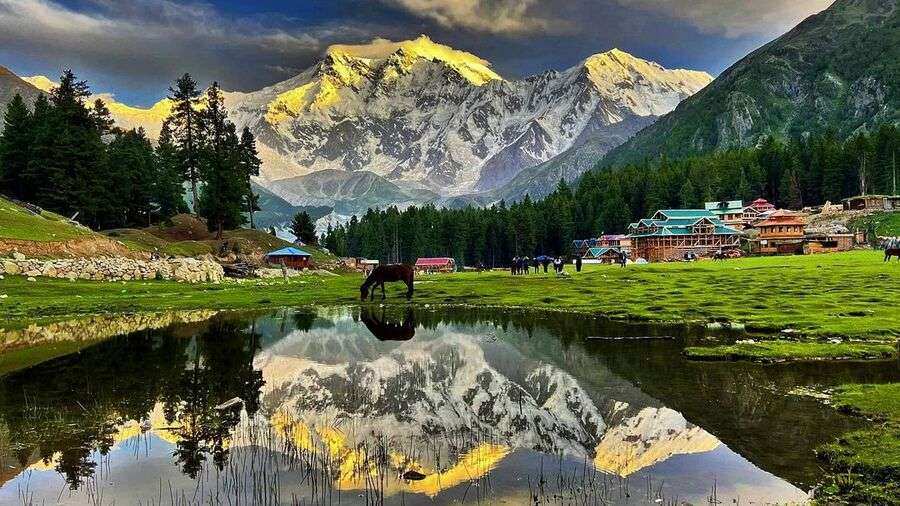
  • As you travel, there will be several stops to capture photographs of breathtaking scenery. Towering peaks such as Nanga Parbat (the ninth-highest mountain in the world), Rakaposhi, and other majestic ranges will provide unforgettable views.
  • The drive offers countless spectacular vantage points, where the grandeur of the Himalayas and Karakoram ranges unfolds in dramatic fashion.
  • Arrive in Hunza Valley, a region celebrated for its natural beauty, rich culture, and warm hospitality.
  • Transfer to the hotel for check-in and relaxation after the long but rewarding journey.
  • Dinner will be served at the hotel, allowing you to unwind and reflect on the day’s remarkable experiences.

Highlights of Karimabad

 Karimabad Bazaar

  • History & Significance: Once a Silk Road trade hub, Karimabad Bazaar has been a center of commerce and cultural exchange for centuries. Merchants from Central Asia passed through here, leaving behind influences in architecture and crafts.
  • What to Expect:
    • Local handicrafts: pottery, textiles, jewelry, and woodwork.
    • Traditional Hunza food and street snacks.
    • Stunning backdrop of Rakaposhi and Ultar Sar peaks.
  • Vibe: A lively marketplace where you can experience Hunza’s culture firsthand.

Baltit Fort

  • Origins: Built in the 13th century, originally as a defensive tower, later expanded into a multi-story residence for the Mirs (hereditary rulers of Hunza).
  • Architecture:
    • Timber and stone construction for seismic stability.
    • Tibetan-style influences with carved wooden ceilings.
  • Restoration: By the Aga Khan Trust for Culture (1989–1996), turning it into a museum and cultural center.
  • Recognition: UNESCO Asia-Pacific Heritage Award (2004).
  • Experience: Offers panoramic views of Hunza Valley and insight into Hunza’s political and cultural history.

Altit Fort

  • Age: Around 1,100 years old, making it the oldest monument in Gilgit-Baltistan.
  • Role: Original seat of Hunza’s rulers before Baltit Fort became the main residence.
  • Unique Feature: The Shikari Tower, a watchtower dating back to the fort’s earliest phase.
  • Restoration: Aga Khan Trust for Culture restored it between 2004–2007.
  • Recognition: UNESCO Asia-Pacific Award (2011).

Duikar (Eagle’s Nest)

  • Location: A mountain village about 30–40 minutes above Karimabad, at ~3,100 meters elevation.
  • Views: Offers a 360° panorama of Hunza Valley and surrounding peaks:
    • Rakaposhi (7,788m)
    • Ultar Sar (7,388m)
    • Diran (7,266m)
    • Passu Cones and even Hindu Kush peaks on clear days.
Day Plan – Upper Hunza (Gojal Region)
  • Breakfast at the hotel to start the day.
  • Departure for Upper Hunza (Gojal area), a region known for its dramatic landscapes and cultural richness.

Attabad Lake

  • Formed in 2010 after a massive landslide blocked the Hunza River.
  • Now a turquoise-blue lake stretching over 21 km, surrounded by steep cliffs.
  • Popular for boating, jet skiing, and photography.

Gulmit Village

  • A historic settlement with traditional stone houses and terraced fields.
  • Known for its Wakhi culture, handicrafts, and warm hospitality.
  • Offers views of Passu Glacier and surrounding peaks.

Hussaini Suspension Bridge

  • Famous as one of the world’s most adventurous bridges.
  • Made of wooden planks and ropes, it sways over the Hunza River.
  • Crossing it is thrilling, though locals use it daily as a practical route.

Borit Lake

  • A serene high-altitude lake near Gulmit.
  • Habitat for migratory birds, making it a peaceful spot for nature lovers.
  • Surrounded by barren mountains, offering a stark yet beautiful contrast.

Passu

  • Iconic for the Passu Cones (Cathedral Range), sharp granite peaks rising dramatically above the valley.
  • Gateway to trekking routes toward Passu Glacier and Batura Glacier.
  • A picturesque village where you’ll spend the night.
  • Overnight stay in Passu with hotel check-in.
  • Dinner at the hotel, ending the day surrounded by the grandeur of Hunza’s northern landscapes.

Day Excursion – Khunjerab Pass & Sost

  • Breakfast at the Hotel: Begin your day with a hearty breakfast, energizing yourself for one of the most memorable journeys in the Karakoram.
  • Drive to Khunjerab Pass: Depart for the world’s highest paved international border crossing between Pakistan and China. At an altitude of 4,693 meters, Khunjerab Pass is not only a marvel of engineering but also a breathtaking vantage point where snow-capped peaks and vast plateaus stretch endlessly.
  • Khunjerab National Park: En route, pass through the Khunjerab National Park, home to rare wildlife. With a bit of luck, you may spot the Markhor, Pakistan’s national animal, grazing gracefully on the rugged slopes far from the roadside. The park also shelters ibex, snow leopards, and marmots, adding to its ecological significance.
  • Stop at Sost: Pause at Sost, the last town of Pakistan before the Chinese border. Known for its historic Dry Fort and as a vital customs and trade post along the Karakoram Highway, Sost offers a glimpse into the Silk Route’s legacy. Spend some time exploring the bazaar and soaking in the frontier-town atmosphere.
  • Return Journey to Passu: Drive back along the Karakoram Highway, with mesmerizing views of the Passu Cones and surrounding glaciers. Arrive in Passu by evening, where you will check into your hotel for an overnight stay. The tranquil village, framed by jagged peaks, provides the perfect setting to unwind after a day of high-altitude adventure.
 Day Journey – Hoper Valley & Gilgit
  • Breakfast at the Hotel: Begin your morning with a refreshing breakfast, preparing for a scenic adventure into one of Hunza’s most captivating valleys.
  • Departure for Hoper Valley: Pack your luggage and set out towards Hoper Valley, a hidden gem in Nagar District. The valley is renowned for its lush green meadows, traditional stone houses, and the majestic Hoper Glacier, one of the most accessible glaciers in the region. As you arrive, you’ll be greeted by breathtaking views of snow-covered peaks, including Spantik (Golden Peak) and Rush Peak, which tower dramatically above the valley.
  • Exploration of Hoper Glacier: Spend time admiring the glacier’s icy expanse, a striking contrast against the surrounding terraced fields and villages. The crisp mountain air and panoramic scenery make this a photographer’s paradise and a nature lover’s dream.
  • Evening Drive to Gilgit: In the late afternoon, continue your journey to Gilgit, the bustling hub and main city of Northern Pakistan. The drive offers mesmerizing views along the Karakoram Highway, with glimpses of rivers, valleys, and towering mountains.
  • Dinner & Overnight Stay: Arrive in Gilgit by evening and check into your hotel. Enjoy a warm dinner featuring local flavors, followed by a restful overnight stay in the city that serves as the gateway to the greater Gilgit-Baltistan region.

Return Journey – Naran via Babusar Pass

  • Breakfast at the Hotel: Begin your day with a nourishing breakfast, preparing for the scenic return journey through the majestic mountains of Northern Pakistan.
  • Departure for Naran: Pack your belongings and set out towards Naran, traveling through the spectacular Babusar Pass. At an elevation of 4,173 meters, Babusar is one of the highest mountain passes in Pakistan, offering panoramic views of snow-covered peaks, lush valleys, and winding rivers. The drive is a photographer’s delight, with every turn revealing breathtaking vistas.
  • Alternate Route – Karakoram Highway: Depending on road conditions or preference, an alternate route can be taken via the Karakoram Highway to Besham, passing through dramatic gorges and riverside towns. This route, though longer, offers a glimpse into the rugged beauty and cultural life along the Indus River.
  • Arrival in Naran: By evening, arrive in Naran, the jewel of the Kaghan Valley. Transfer to your hotel, where the crisp mountain air and serene surroundings provide the perfect setting to relax after a long journey.
  • Dinner & Overnight Stay: Enjoy a warm dinner featuring local delicacies, followed by a restful overnight stay at the hotel. Naran’s charm, with its alpine meadows and starry skies, ensures a peaceful end to your day’s adventure.

🚐 Return Journey – Lake Saif ul Malook & Islamabad

  • Breakfast at the Hotel: Begin your morning with a wholesome breakfast, preparing for the last leg of your northern adventure.
  • Excursion to Lake Saif ul Malook: Before departure, enjoy a short but unforgettable visit to Lake Saif ul Malook, one of the crown jewels of the Kaghan Valley. Nestled at 3,224 meters, the lake is surrounded by snow-clad peaks, including the mighty Malika Parbat. Its emerald-green waters shimmer under the sun, while local folklore of Prince Saif ul Malook and the fairy queen adds a touch of enchantment to the serene setting.
  • Drive to Islamabad: After soaking in the beauty of the lake, begin your journey back to Islamabad. The drive gradually transitions from alpine meadows and mountain passes to the rolling plains, offering a final chance to admire the diverse landscapes of northern Pakistan.
  • Arrival & Hotel Transfer: Arrive in Islamabad by evening and transfer to your hotel. The capital city, with its modern avenues and calm ambiance, provides a comfortable contrast to the rugged wilderness you’ve explored.
  • Dinner & Overnight Stay: Conclude your journey with a warm dinner at the hotel, followed by a restful overnight stay. This marks the graceful end of your expedition, carrying with you memories of fairytale lakes, towering peaks, and legendary valleys.

✈️ Departure – Islamabad International Airport

  • Breakfast at the Hotel: Begin your morning with a relaxed breakfast, reflecting on the unforgettable journey through Pakistan’s northern wonders.
  • Transfer to Islamabad International Airport: After breakfast, check out from the hotel and proceed to Islamabad International Airport. Your transfer will be arranged to ensure a smooth and timely arrival for your scheduled flight.
  • Flights to Home or Next Destination: Bid farewell to Pakistan as you embark on your onward journey—whether returning home or continuing to your next destination. Carry with you cherished memories of fairytale valleys, legendary lakes, and towering peaks that made this adventure truly remarkable.

Customer Review

No rating found

GIVE A RATING

Book the Tour

Base Price $950